
Description
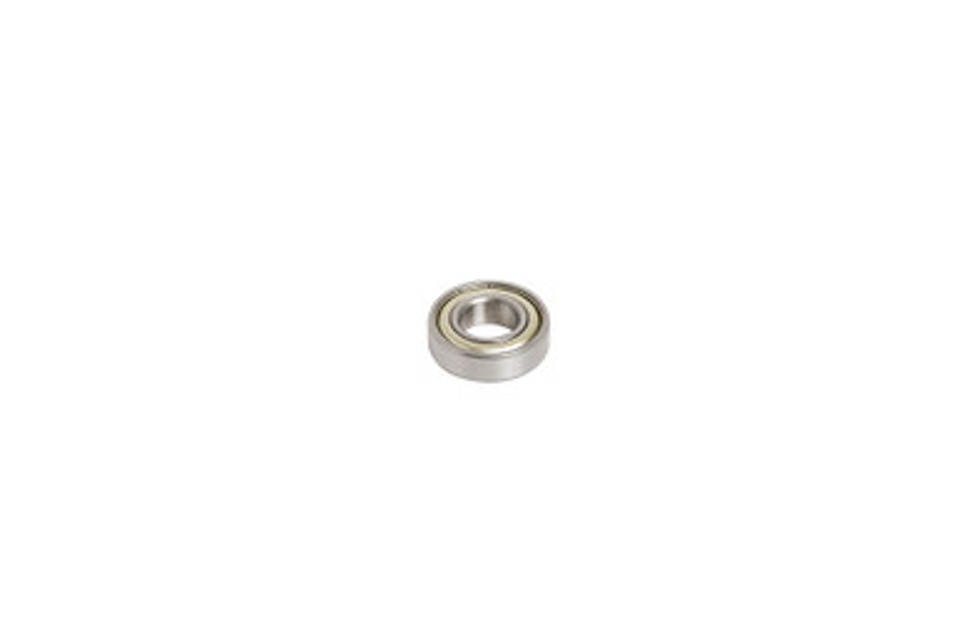
Router Adapter Bearing
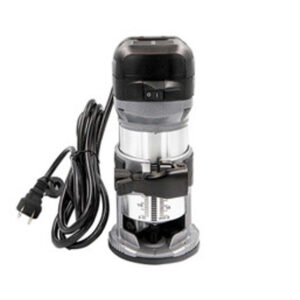
The Router Adapter Bearing is a specialized guiding accessory designed to attach to router adapters or plates in router jig systems, such as those from 80 Lower or 5D Tactical. This bearing, typically a ball bearing or bushing, rides along the jig’s templates or rails, guiding the router bit precisely during milling operations on 80% lower receivers. It reduces friction and prevents the bit from wandering, ensuring accurate cuts for trigger pin holes, selector switches, and buffer tube threads.
Made from durable materials like steel or nylon with ball bearings, the adapter bearing is compatible with standard plunge routers and jig setups. Priced affordably, it’s a replacement or upgrade part that improves the reliability of router jigs, minimizing vibrations and errors in builds.
Key Features
- Bearing Design: Ball bearing or low-friction bushing for smooth, guided movement along templates.
- Mounting: Attachable to router adapters or plates via screws or clamps, with adjustable positions.
- Compatibility: Fits 80 Lower Router Jig PRO, 5D Tactical Tac Router, and similar systems; adaptable to various router setups.
- Durability: Corrosion-resistant materials for repeated use in machining aluminum receivers.
- Precision: Ensures the router bit stays on track, reducing the risk of misalignment.
This bearing is crucial for stable, precise machining in firearm building workshops.
The History and Reputation of Router Adapter Bearings in Firearm Tools
Router adapter bearings emerged in the mid-2010s alongside router-based jigs for 80% lower completion, providing a guiding mechanism to enhance accuracy and reduce tool wear. Brands like 80 Lower and 5D Tactical incorporated bearings into their systems to address issues like bit deflection during high-speed operations. These bearings draw from industrial CNC and woodworking tools, adapted for firearm DIY.
They have gained a reputation for reliability, with reviews on forums like AR15.com and Reddit praising their role in clean, accurate builds. Users note they minimize vibrations, leading to better results. Manufacturers emphasize compliance with regulations, making them a staple for responsible DIY builders.
Why Choose the Router Adapter Bearing?
Advantages
- Enhanced Precision: Guides the router bit accurately along templates, preventing errors in cuts.
- Reduced Friction: Low-friction bearing design minimizes wear on the bit and jig.
- Improved Stability: Reduces vibrations for smoother machining operations.
- Versatility: Compatible with multiple adapters and jigs for flexible setups.
- Cost-Effective: Affordable upgrade that extends tool life.
Considerations
- Compatibility: Check specific jig and router models for fit.
- Installation: May require tools for mounting; not plug-and-play.
- Maintenance: Bearings may need cleaning or replacement over time.
Builders choose this for professional results, with testimonials highlighting smoother operations.
Legality and Safety Considerations
Legality: Bearings are legal tools in the U.S., but using them to complete 80% lowers must comply with federal laws (e.g., no serialization for personal use). Restrictions in states like California. Internationally, unfinished receivers may be banned.
Safety: Wear PPE, secure all components, and follow jig instructions. Ensure the bearing is firmly attached to avoid router movement. Test setups safely—loose mounting can cause injuries. Manufacturers provide guides for responsible use.
Step-by-Step Guide to Installing the Router Adapter Bearing
- Preparation: Gather the bearing, router adapter/plate, jig base, and tools (screws, wrenches).
- Align Bearing: Position the bearing on the adapter or plate; ensure it aligns with jig templates.
- Secure Bearing: Clamp or bolt the bearing in place, tightening evenly.
- Test Fit: Install a bit and check guided movement along templates; adjust if needed.
- Operation: Use for machining, monitoring for stability and precision.
- Cleanup: Disassemble and store safely after use.
Time: 10–20 minutes. Resources: Manufacturer videos or manuals.
Pros and Cons of the Router Adapter Bearing
Pros
- Provides guided precision for accurate cuts.
- Reduces friction and wear on tools.
- Improves jig performance and safety.
- Versatile for multiple setups.
- Easy to install with tools.
Cons
- Specific to compatible jigs and adapters.
- Adds minor complexity to setup.
- May require periodic maintenance.
- Generates dust; use ventilation.
Frequently Asked Questions (FAQs)
- What does it guide? The router bit along jig templates for precise milling.
- Is it legal? Yes as a tool; check build laws.
- Included? Bearing only; tools separate.
- How to clean? Wipe with a cloth; lubricate if needed.
- Where to buy? 80lower.com or firearm retailers.
Final Thoughts on the Router Adapter Bearing
The Router Adapter Bearing is a valuable accessory for builders using router jigs, offering precision and stability for better machining results. Its guiding design makes it a reliable upgrade. Build safely, verify laws, and enjoy improved efficiency.
Reviews
There are no reviews yet.